Emergency hospital care comes first
New or recent stroke symptoms are a medical emergency, even if they disappear. Seek emergency hospital care immediately. Do not wait for a clinic appointment or drive yourself to hospital.
BRAIN STROKE CONSULTATION · PATANCHERUVU
Understand the diagnosis and your next step
A stroke changes life suddenly for patients and families. Once emergency treatment has been provided, understanding the diagnosis and the next stage of care can make follow-up discussions more useful. Brain stroke treatment in Hyderabad involves hospital emergency care when symptoms begin, followed by an individual plan for recovery and prevention.
At Manik Neuro Clinic, Dr. S.P. Manik Prabhu provides specialist consultation for brain, spine and nervous system concerns. Bring your existing reports and questions so the discussion can focus on your symptoms and the care recommended for you.
Understanding brain stroke
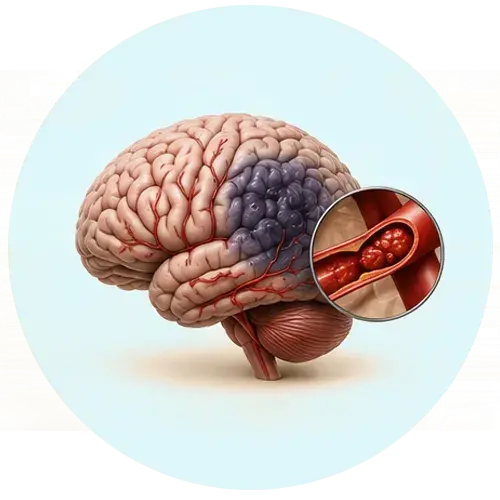
A stroke occurs when part of the brain loses its normal blood supply because a blood vessel is blocked or bleeding occurs. These types need different treatments. A transient ischaemic attack can cause similar symptoms that improve, but still requires urgent assessment.
Symptoms to discuss
- Sudden weakness or numbness, especially on one side
- A drooping face or difficulty speaking or understanding speech
- Sudden loss of vision, balance or coordination
- A sudden severe headache or unusual confusion
Assessment and diagnosis
The hospital team reviews when symptoms started and performs a neurological examination. CT or MRI helps distinguish blockage from bleeding. Blood-vessel imaging, heart tests and blood tests may help identify the cause. Bring the discharge summary and the actual scan images to a follow-up consultation.
Prepare for your consultation
Bring previous scan images and written reports, prescriptions, discharge summaries and a list of current medicines. Note when the symptoms started, what has changed and which treatments you have already tried.
Your consulting specialist
Dr. S.P. Manik Prabhu — Neurosurgeon & Neurointerventionist
Treatment and ongoing care
The plan follows the diagnosis, examination findings and individual priorities. Where a hospital-based investigation or procedure is indicated, it needs to be planned with the appropriate treating team.
Emergency hospital treatment
Selected patients with a blocked artery may benefit from clot-dissolving medicine or mechanical clot removal. Eligibility depends on timing, imaging and individual risks. Bleeding-related stroke needs a different approach.
Recovery and rehabilitation
Physiotherapy, occupational therapy and speech or swallowing support may be included according to the difficulties identified by the treating team.
Prevention and follow-up
Review of blood pressure, diabetes, cholesterol, heart rhythm and prescribed medicines helps guide prevention. Do not start, stop or change stroke medicines without the treating clinician’s advice.
Brain Stroke consultation FAQs
Symptoms may improve after a transient ischaemic attack or stroke. Improvement does not remove the need for immediate hospital assessment.
No. The stroke type, affected blood vessel, scan findings, timing and the person’s health determine whether this treatment is appropriate.
The discussion can review hospital findings, current difficulties, medicines, rehabilitation needs and questions about reducing the risk of another event.
Contact Manik Neuro Clinic to check consultation availability and fees. Bring existing records so the specialist can discuss a plan appropriate to your situation. Any treatment estimate depends on the investigations and care recommended.
Related services
Book a brain stroke follow-up consultation in Patancheruvu
Discuss your symptoms, reports and next steps with Dr. S.P. Manik Prabhu at Manik Neuro Clinic, Hyderabad. Contact the clinic to arrange a consultation.
Manik Neuro Clinic
14-64, Bandalguda, Sreeram Nagar Colony, Patancheruvu, Hyderabad, Telangana 502319
Monday–Saturday: 5:00 PM–8:00 PM. Sunday: Closed.
This page provides general patient information and does not replace an individual medical assessment. Treatment recommendations depend on the clinical findings.