Brain Tumor Treatment in Hyderabad
Brain tumor consultation · Patancheruvu
Clear guidance for your next step
A suspected brain tumor can bring many questions for patients and families. Brain tumor treatment in Hyderabad starts with a careful assessment of your symptoms, scan findings and individual needs.
At Manik Neuro Clinic, consult Dr. S.P. Manik Prabhu , an AIIMS-trained neurosurgeon and neurointerventionist, for guidance on brain and nervous system conditions. A consultation can help you understand what further evaluation may be needed and which treatment options should be considered.
- Review of available MRI or CT reports and images
- Discussion of monitoring, surgery or oncology assessment where appropriate
- Clear explanations of the purpose, benefits and risks of proposed care
- Guidance on follow-up and the next stage of evaluation
What is a brain tumor?
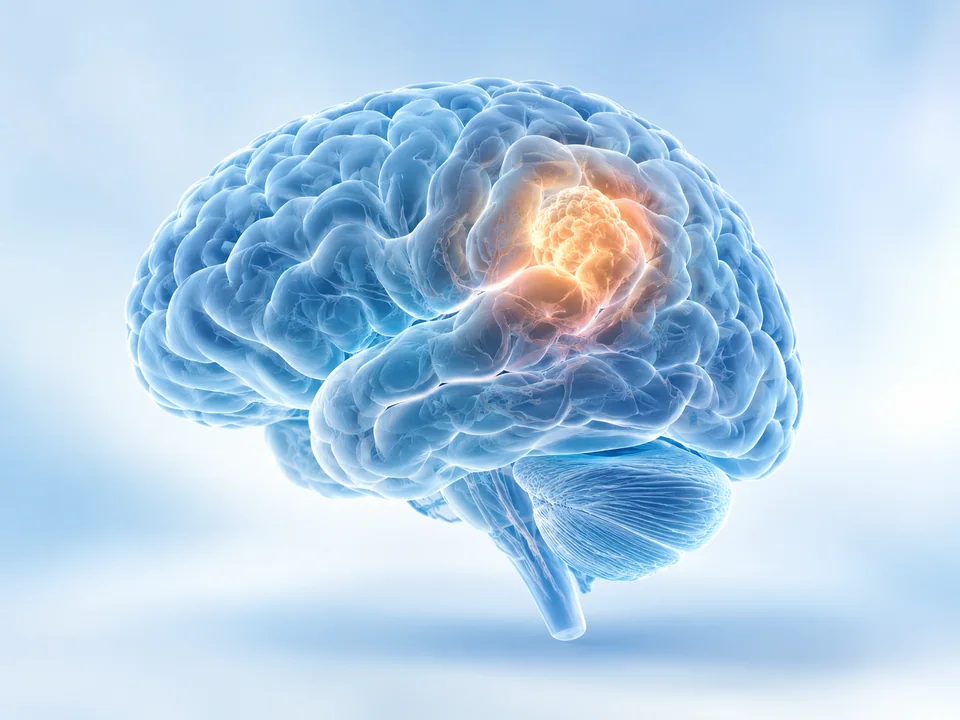
A brain tumor is an abnormal growth of cells within the brain or nearby structures. A primary tumor begins in this area; a secondary, or metastatic, tumor spreads to the brain from cancer elsewhere in the body.
Some tumors are non-cancerous, while others are cancerous. Even a non-cancerous growth may need treatment if it presses on important structures. Examples include meningiomas, gliomas, pituitary tumors and vestibular schwannomas. The exact type, location and behavior help guide care.
Symptoms that deserve assessment
Symptoms vary with the part of the brain affected and may develop gradually. Arrange a medical assessment for concerns such as:
- New headaches, or a change in an existing headache pattern
- Seizures
- Changes in vision, speech or balance
- Progressive weakness or numbness
- Persistent nausea, vomiting or unusual drowsiness
- Changes in memory, behavior or personality
These symptoms can have many causes. They do not, by themselves, confirm a brain tumor.
When urgent hospital care is needed
Seek emergency medical help for a first seizure, a seizure lasting more than five minutes or longer than usual, failure to regain consciousness, or sudden weakness or difficulty speaking. Do not wait for a routine clinic appointment.
Understanding the findings
How is a brain tumor diagnosed?
A scan finding needs to be interpreted alongside a clinical assessment. Evaluation may include:
- Medical history and neurological examination: reviewing symptoms and checking functions such as strength, sensation, vision, reflexes and coordination.
- MRI or CT imaging: assessing the location, size and appearance of an abnormality. The specialist decides which scans or further tests are suitable.
- Tissue testing when appropriate: a biopsy or tissue obtained during surgery may be needed to establish the tumor type and help plan treatment.
Preparing for your consultation
Bring your scan images as well as the written reports, previous prescriptions, current medication list and any biopsy or operation records. A short timeline of symptoms and a list of questions can make the discussion more useful.
Your consulting specialist
Dr. S.P. Manik Prabhu Neurosurgeon & Neurointerventionist
Learn about his training and clinical areas of interest on the doctor profile page .
Brain tumor treatment options
Treatment is based on the tumor type and grade, its location, symptoms and overall health. A recommendation for one patient may not be right for another.
Observation and monitoring
Some selected slow-growing tumors may be monitored with planned reviews and scans, rather than treated immediately.
Surgery or biopsy
Surgery may obtain tissue, relieve pressure or remove tumor where feasible. Protecting neurological function is an important part of planning.
Radiotherapy and oncology care
Radiation, chemotherapy or other tumor-specific medicines may be recommended by the treating oncology team, depending on the diagnosis.
Symptom management
Medicines may be used to address swelling, seizures or other symptoms when clinically indicated. Medication choices require individual medical advice.
Follow-up and ongoing support
The care plan may include repeat imaging, review of symptoms and coordination with other specialists. Follow-up remains important after treatment.
At your consultation, discuss which options may be relevant. Hospital-based procedures and oncology treatment, if indicated, need planning with the appropriate treating team.
Brain tumor consultation FAQs
No. Brain tumors can be non-cancerous or cancerous. A non-cancerous tumor can still affect nearby brain structures, so its location, growth and symptoms matter when deciding on care.
No. Selected tumors may be monitored, while others need surgery, radiotherapy or another approach. The decision requires assessment of the diagnosis, symptoms, risks and overall health.
Imaging provides important information, but tissue testing is often needed for a definite diagnosis. In some situations, the team may recommend management based on imaging and other findings when a biopsy is not appropriate.
Bring MRI or CT images and reports, current and previous prescriptions, relevant medical records and any biopsy results. Note when symptoms began and what has changed.
Costs depend on the investigations, treatment and hospital care required. Contact the clinic for consultation fees. A treatment estimate should follow a clinical assessment and a discussion of the proposed plan.
Book a brain tumor consultation in Patancheruvu
Discuss your symptoms, reports and next steps with Dr. S.P. Manik Prabhu at Manik Neuro Clinic, Hyderabad. Contact the clinic to arrange a consultation.
Manik Neuro Clinic
14-64, Bandalguda, Sreeram Nagar Colony, Patancheruvu, Hyderabad, Telangana 502319
Monday–Saturday: 5:00 PM–8:00 PM. Sunday: Closed.
This page provides general patient information and does not replace an individual medical assessment. Treatment recommendations depend on the clinical findings.