
Brain, Spine and Nerve Health Blog

  • Blog

Practical reading before your next conversation

The Manik Neuro Clinic blog brings together patient guides about brain, spine and nerve concerns. Read about symptom patterns, warning signs, recovery questions and ways to prepare for a specialist consultation. The articles use everyday language so you can arrive with a clearer account of what has changed and the questions that matter to you.
Choose the topic that fits your concern. Each guide links to the relevant treatment information, making it easier to move from a general explanation to the consultation details for Manik Neuro Clinic in Patancheruvu, Hyderabad.

Browse the patient guides

These guides cover the twelve treatment areas listed below. They are intended for general reading and preparation. A symptom list cannot confirm a diagnosis, and a recovery article cannot replace the instructions given by your own treating team.
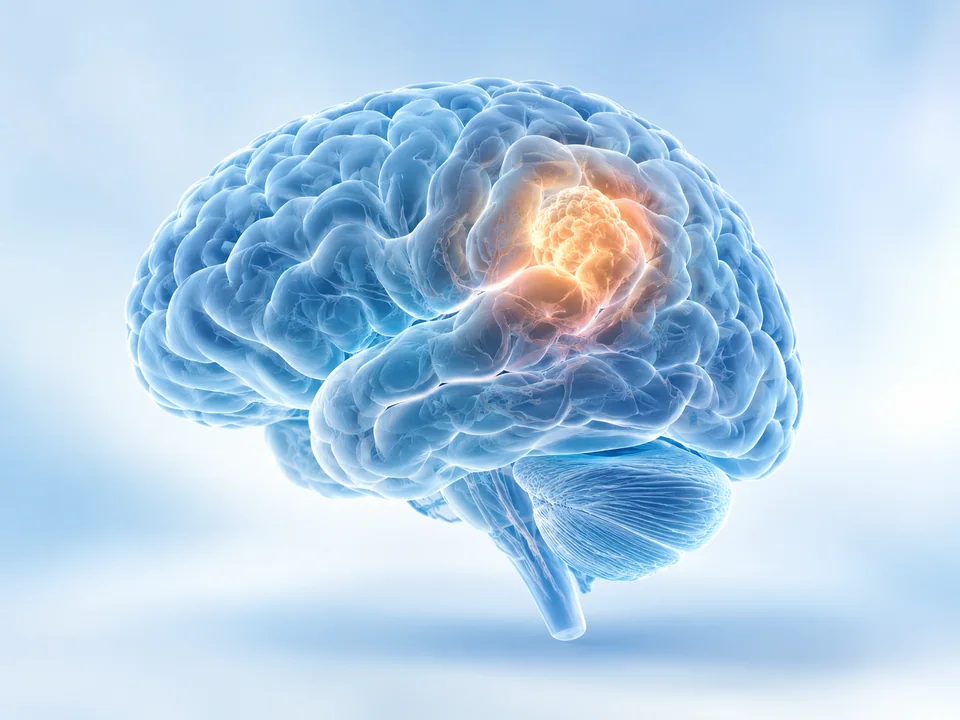
Brain tumor illustration showing a highlighted growth in the brain

Brain Tumor Symptoms: What to Notice and When to Seek Help

Understand brain tumor symptoms, changes worth checking and what to bring to a specialist consultation. A practical guide from Manik Neuro Clinic.
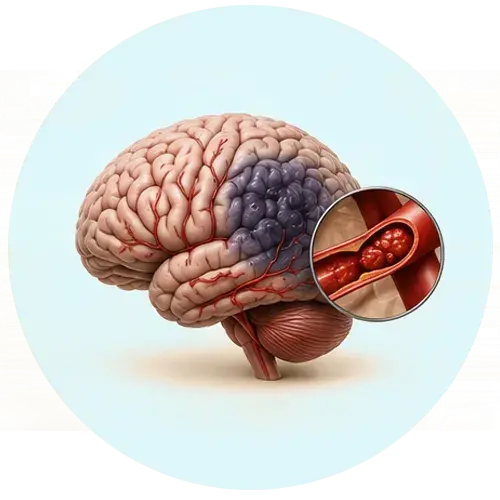
Medical illustration of a brain stroke and a blocked blood vessel

Stroke Warning Signs: Remember FAST and Act Quickly

Learn stroke warning signs, how FAST helps and why urgent hospital assessment matters, even if symptoms improve. Read this practical family guide.
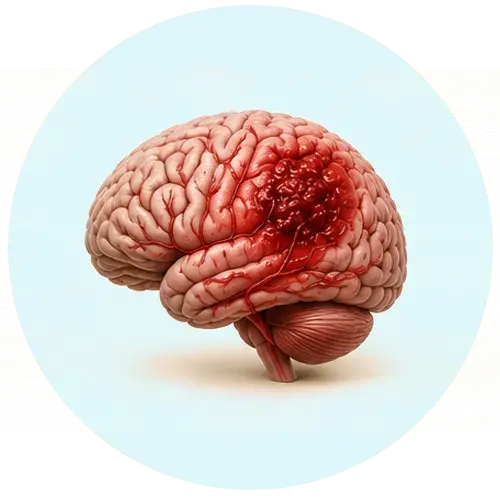
Brain hemorrhage illustration showing bleeding within the brain

Brain Hemorrhage Symptoms: Why Sudden Changes Need Urgent Care

Understand brain hemorrhage symptoms, sudden warning signs and questions to ask after hospital treatment. A practical guide for patients and families.
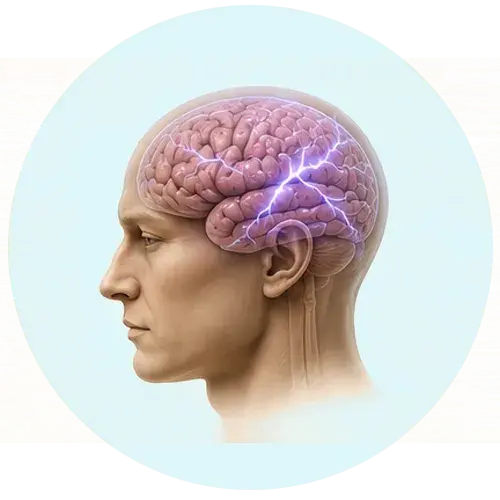
Medical illustration of brain activity associated with epilepsy

Living With Epilepsy: Everyday Questions About Seizure Safety

Living with epilepsy can raise questions about routines, medicines and seizure safety. Read practical advice for a useful specialist discussion.
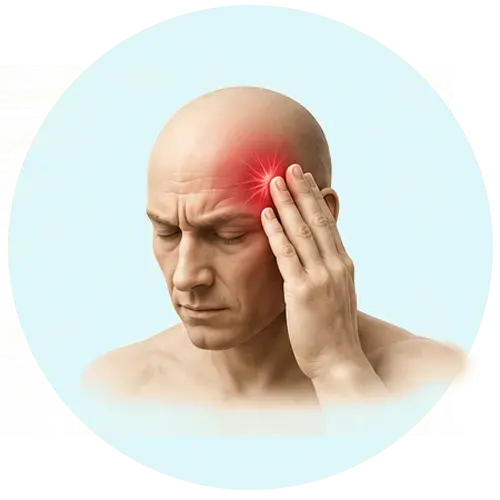
Anatomical illustration showing headache pain around the head

Recurring Headaches: A Simple Diary Can Help Your Consultation

Recurring headaches can be easier to discuss with a short symptom diary. Learn what to record, what a review involves and which changes need urgent help.
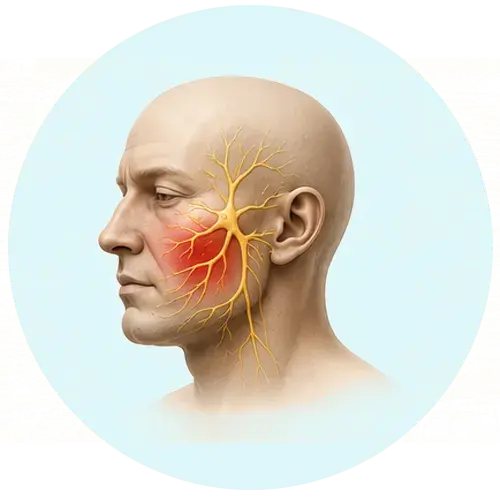
Anatomical illustration showing facial pain

Facial Nerve Pain: When It Feels Like an Electric Shock

Facial nerve pain may feel sharp or electric, but several conditions can cause facial pain. Learn what to note and what a specialist review may involve.
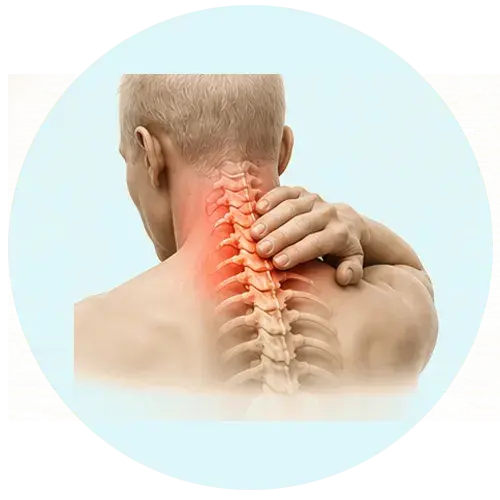
Anatomical illustration showing neck pain

Neck Pain and Arm Tingling: What Your Symptoms May Mean

Neck pain and arm tingling may need a closer look at nerve function. Learn what to describe, when to seek help and how to prepare for a consultation.
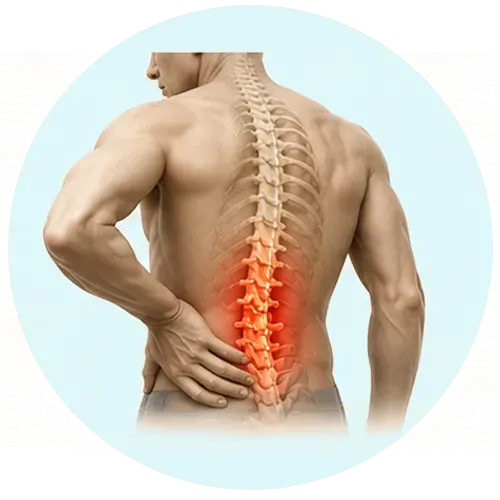
Anatomical illustration showing lower back pain

Lower Back Pain and Sciatica: Understanding the Difference

Lower back pain and sciatica are not the same thing. Learn how leg symptoms, examination findings and warning signs help guide the next step in care.
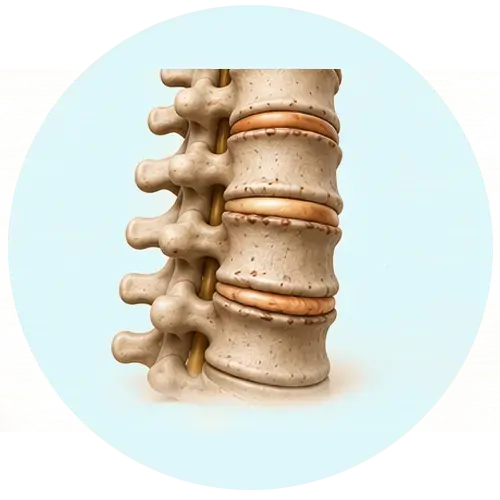
Medical illustration of the spine for spondylosis information

Cervical and Lumbar Spondylosis: Reading Your Scan Report

Cervical and lumbar spondylosis on a scan report can raise questions. Learn how symptoms, examination findings and daily function guide a treatment discussion.
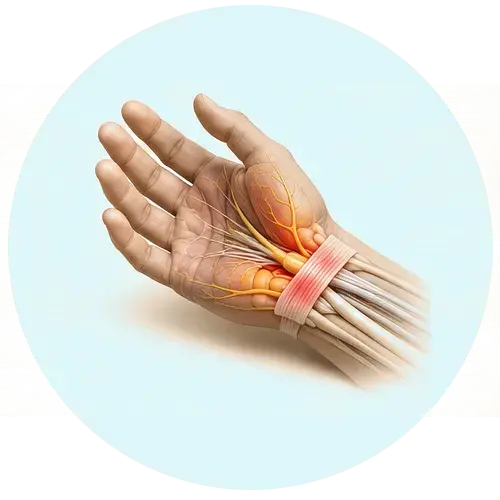
Nerve compression at the wrist — educational anatomy illustration

Pinched Nerve Symptoms: Numbness, Tingling and Weakness

Pinched nerve symptoms can include tingling, numbness and weakness. Learn why the location matters and how to prepare for a nerve-compression assessment.
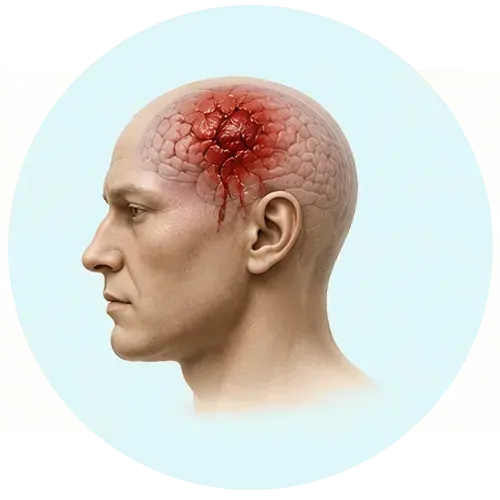
Medical illustration showing the site of a head injury

Head Injury Warning Signs: What to Watch for After a Bump

Know important head injury warning signs and what to clarify after a hospital assessment. A practical guide to concussion follow-up and recovery questions.
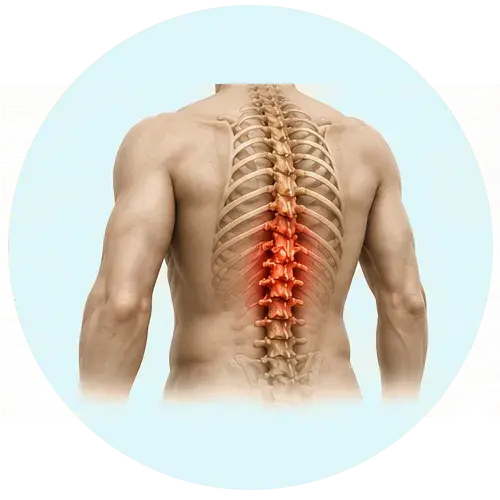
Anatomical illustration of a spine injury

Spine Injury Recovery: Questions to Ask After Hospital Discharge

Spine injury recovery needs an individual plan. Learn which questions to ask about movement, rehabilitation, warning signs and specialist follow-up.

How to use this health blog

Start with the article closest to your concern and note the details it suggests recording. You do not need to arrive with a diagnosis. A simple timeline, a current medicine list and the questions you want answered are a useful starting point for a consultation.
If you have already been assessed in hospital, keep the discharge summary and the actual scan images alongside their reports. Bring any written rehabilitation or follow-up instructions. The specialist can then consider the records together with your current symptoms and examination findings.

When should I stop reading and seek help?

Possible stroke, a serious head or spinal injury, a first seizure or a sudden major neurological change needs urgent medical assessment. Do not wait for a routine clinic appointment or use an article to decide that an emergency symptom is safe to monitor at home.

Can an article tell me which treatment I need?

No. Similar symptoms can have different causes, and treatment choices depend on the diagnosis and individual findings. The purpose of a patient guide is to make the discussion easier to follow and help you ask useful questions.

Where can I find consultation information?

Visit the Services page to choose a treatment area or contact Manik Neuro Clinic to check appointment availability. The About Us page introduces Dr. S.P. Manik Prabhu and provides the professional information published by the clinic.
This page provides general patient information and does not replace an individual medical assessment. Treatment recommendations depend on the clinical findings.