
- Spine Health
- Cervical and Lumbar Spondylosis: Reading Your Scan Report
SPINE HEALTH · PATIENT GUIDE
A scan report can contain several unfamiliar terms before it reaches the word spondylosis. Cervical and lumbar spondylosis describe degenerative changes in the neck and lower back respectively. The wording can sound alarming, but it does not tell the whole story about your symptoms.
The useful question is not simply whether a change appears on the scan. It is whether that finding fits the problem you are experiencing, whether nerve function is affected and what, if anything, needs to be done next.
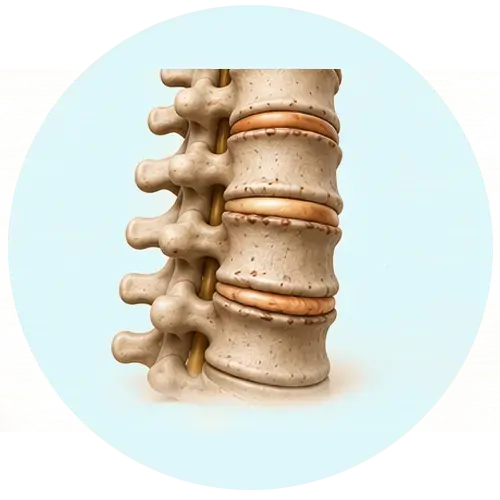
What cervical and lumbar spondylosis means
Cervical refers to the neck and lumbar to the lower back. Spondylosis is a broad term for degenerative changes affecting spinal structures. Some changes become more common with age, and people can have scan findings without significant symptoms.
The report may also mention discs, joints, bone spurs or narrowing around nerves. These words should be explained in relation to the images and the examination. A long report does not automatically mean a severe clinical problem, just as a short report does not replace a careful assessment.
Describe what has changed in everyday life
Symptoms may involve local discomfort or stiffness. In some situations, pressure on nerves or the spinal cord leads to additional problems. Tell the clinician about function as well as pain.
- Pain or altered sensation travelling into an arm or leg.
- A change in grip, hand coordination or leg strength.
- Difficulty with walking, balance or familiar daily tasks.
- How long symptoms have been present and whether they are progressing.
- Which activities have become limited and what treatment has already been tried.
Bring images, not only the written conclusion
The conclusion is a summary, not a substitute for reviewing the scan. If you have the images on a disc, film or a secure viewing link provided by the imaging centre, bring them in the form the clinic can access. Include earlier studies if a comparison has been requested.
Ask which finding appears relevant and which findings may be incidental. It is also reasonable to ask whether the symptoms could have another cause. This prevents the discussion from being driven only by whichever phrase in the report sounds most worrying.
Treatment follows the clinical picture
A plan may involve activity advice, rehabilitation and appropriate medicine. Selected patients need further discussion of a procedure or surgery, particularly where important nerve or spinal cord findings are present. The diagnosis of spondylosis alone does not decide which route is appropriate.
Ask what the proposed treatment aims to improve. Pain, strength, walking and hand function may need different discussions. If an operation is being considered, ask about the expected benefit, relevant risks and what may happen if treatment is deferred. The answer should relate to your situation rather than a general promise.
Know what requires an earlier review
New or progressive weakness, difficulty walking or worsening coordination should be reported promptly. A new loss of bladder or bowel control or other serious neurological change needs urgent medical assessment. These problems should not be put down to ordinary ageing without review.
For a stable condition, agree a follow-up plan that is easy to use. Ask which changes to monitor, whether a particular activity needs modification and when treatment should be reassessed. Keep the advice with your reports so that a family member or another treating clinician can understand the plan if needed.
Questions patients often ask
Does spondylosis always cause pain?
No. Degenerative changes can be present without significant symptoms. Whether a finding explains pain or another concern needs to be assessed alongside the clinical history and examination.
Can one scan report decide whether I need surgery?
No. The images, neurological findings, symptom progression and individual circumstances all matter. Ask the specialist to explain the connection between the findings and the proposed treatment.
Should I repeat a scan before a review?
Bring existing studies first unless your treating clinician has requested new imaging. Whether another scan is useful depends on what has changed and what question the test is intended to answer.
Discuss your questions at a consultation
For a planned consultation in Patancheruvu, Hyderabad, contact Manik Neuro Clinic. Dr. S.P. Manik Prabhu can review your symptoms and existing reports and discuss the next appropriate step. Bring prescriptions, scan images and the questions you would like answered.
This page provides general patient information and does not replace an individual medical assessment. Treatment recommendations depend on the clinical findings.