
- Brain Health
- Living With Epilepsy: Everyday Questions About Seizure Safety
BRAIN HEALTH · PATIENT GUIDE
Living with epilepsy often brings questions that go beyond the next prescription. Families may wonder what to do during a seizure, how to explain the condition at work and which everyday activities need extra planning. These are reasonable topics for a consultation.
A useful care plan should be understandable outside the consulting room. It should explain regular treatment, the person’s usual seizure pattern and when emergency help is needed. The plan belongs to the individual; advice given to a friend with epilepsy may not apply in the same way.
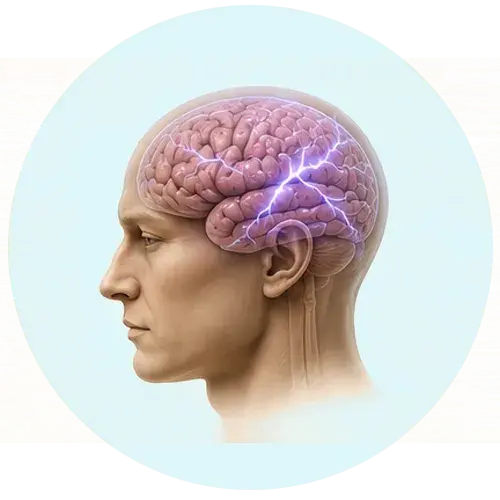
Start by understanding the episodes
Seizures do not always involve dramatic shaking. They can affect awareness, movement, sensation or behaviour in different ways. Describe what actually happened, including what the person was doing beforehand and how they recovered afterwards.
A single unexplained episode does not allow a family to diagnose epilepsy. Assessment may involve the history, an examination and tests chosen for the situation. If someone witnessed an event, ask them to write a factual description. That can be more useful than a general label such as a blackout or fit.
Living with epilepsy is easier with a clear care plan
Ask how and when prescribed medicines should be taken, what to do about a missed dose and whom to contact about side effects. Do not stop or adjust epilepsy treatment on your own. If a schedule is difficult to follow, explain the practical problem so it can be discussed.
Keep an up-to-date list of medicines, including treatments prescribed by other clinicians. Ask whether any special arrangements are needed for work, travel, pregnancy planning or other important changes. Advice should be individual, particularly where a seizure could put the person or someone else at risk.
What a bystander can do during a seizure
Stay nearby, note the time and protect the person from surrounding hazards. If they are on the ground, cushion the head. Do not restrain the movements or put an object, food, drink or your fingers into their mouth. Once the convulsions have stopped, help them onto their side and stay until recovery, following their care plan where appropriate.
Emergency help is needed for a first seizure, breathing difficulty, serious injury, repeated seizures without recovery or a seizure lasting beyond the person’s usual pattern. If that usual pattern is not known, a seizure lasting five minutes needs emergency help. An individual rescue-medicine plan should be followed only by someone trained to use it.
Talk about the parts of life that matter to you
Discuss sleep, work patterns and any circumstances you think may be associated with episodes. Avoid assuming that every seizure has an obvious trigger. The aim is to understand your experience and agree sensible precautions, not to blame yourself for an event.
Ask specifically about driving, swimming, bathing, heights and working with machinery. Medical advice and applicable driving requirements need to be followed; feeling well between seizures does not, by itself, establish that every activity is safe. A family member or colleague may also benefit from knowing the agreed emergency plan.
Keep review notes short and useful
Record the date, approximate duration, what was seen and how long recovery took. Add missed medicines, illness or other relevant circumstances without guessing which one caused the event. A simple record is usually easier to discuss than a long, unstructured collection of messages.
At the review, ask what has changed since the last appointment and what should happen next. If episodes continue, report them rather than quietly accepting that nothing more can be discussed. Treatment decisions need the current picture, including the effect of both seizures and medicine side effects on everyday life.
Questions patients often ask
Does every seizure require an ambulance?
People with established epilepsy may have a specific plan for their usual seizures. Emergency features, a first event or an episode outside that plan need urgent help. Follow the person’s clinician-agreed instructions.
Can I stop medicine if I have been well?
Do not stop or reduce prescribed epilepsy medicine without a clinician’s advice. A treatment review can address the reasons you want a change and the risks relevant to your situation.
What should a family member bring to a review?
Bring a medicine list, previous reports and brief descriptions of events. A witness’s account and questions about the emergency plan can make the discussion more useful.
Discuss your questions at a consultation
For a planned consultation in Patancheruvu, Hyderabad, contact Manik Neuro Clinic. Dr. S.P. Manik Prabhu can review your symptoms and existing reports and discuss the next appropriate step. Bring prescriptions, scan images and the questions you would like answered.
This page provides general patient information and does not replace an individual medical assessment. Treatment recommendations depend on the clinical findings.